Our Work
Research
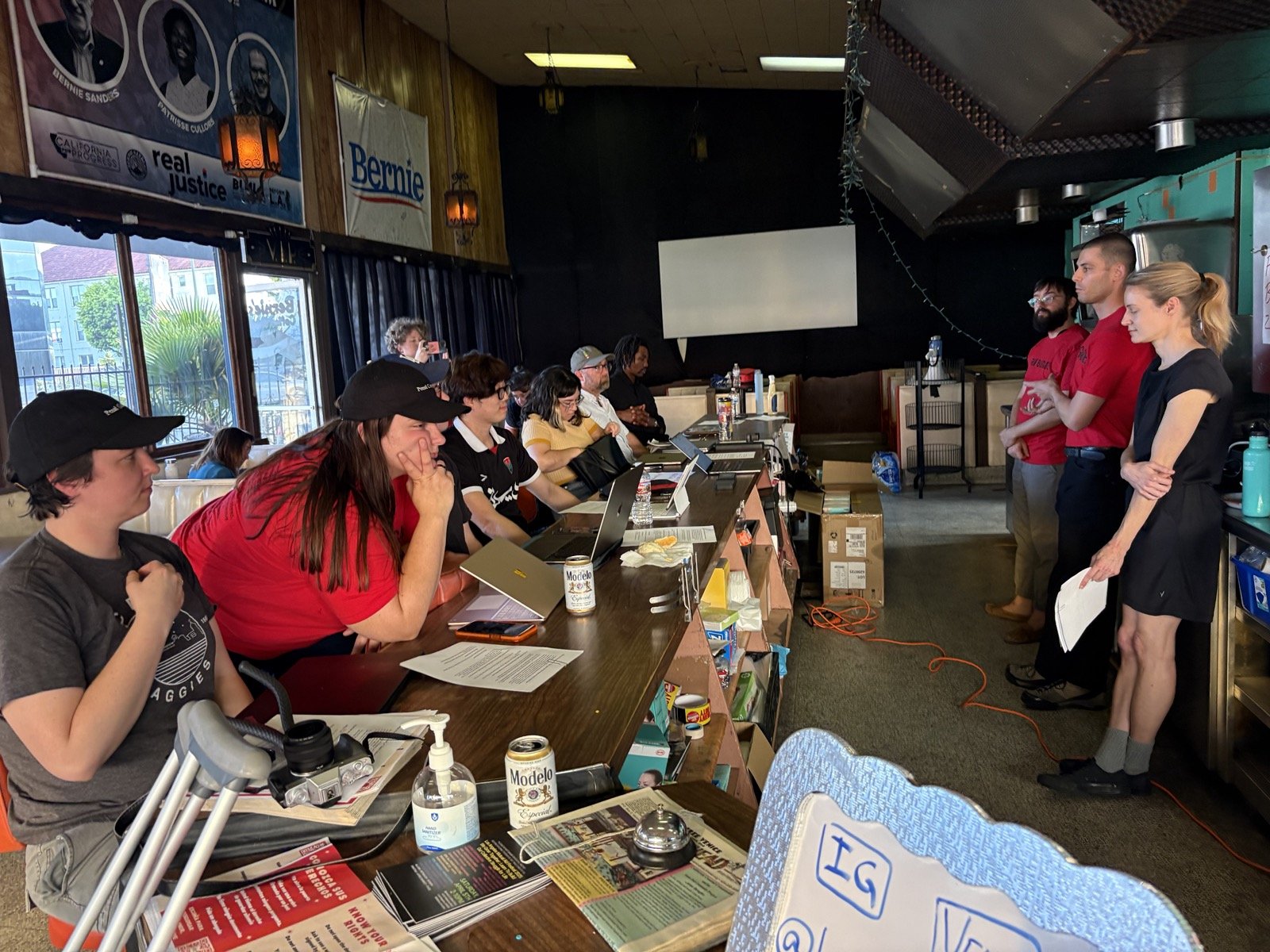
We produce community-based research that advances solutions to the housing crisis, grounded in the lived experiences of those most impacted. This includes not just datasets but tenant interviews, focus groups, and surveys conducted with impacted communities. We also work to support grassroots and autonomous organizations with membership bases in their efforts to win material improvements for tenants. We also produce research that intervenes in broader housing discourse and debates about how to confront the crisis at its root. While prevailing narratives often frame housing affordability as simply a supply side issue, our work examines the wider structural forces that shape housing affordability, including corporate landlordism, the financialization and assetization of housing, the geographic concentration of high wage job clusters, and the expansion of short term rental markets. Through research, we challenge reductive explanations of the crisis and advance approaches that move beyond market based solutions toward more transformative structural change.
Policy Advocacy
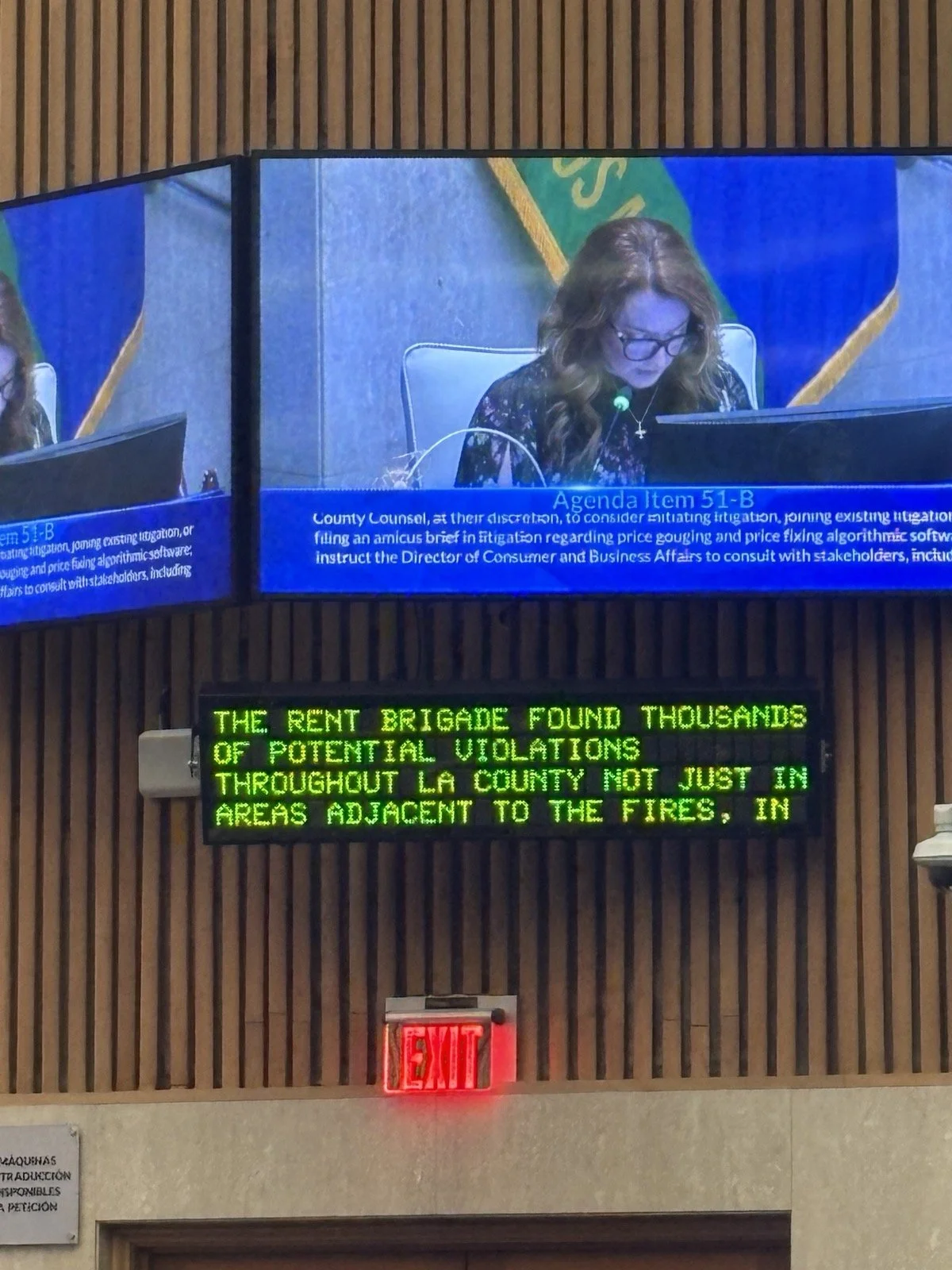
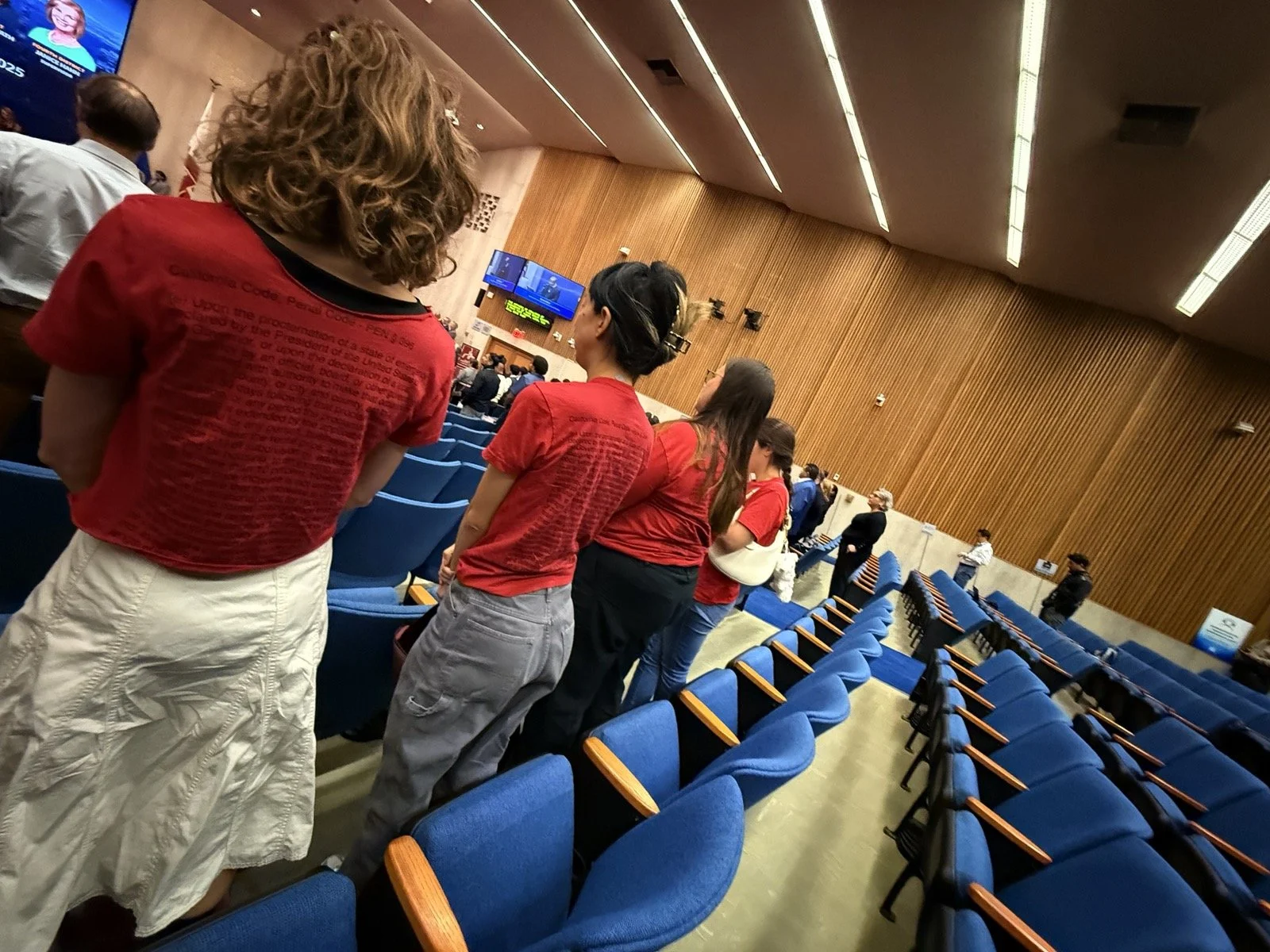
Our policy advocacy is guided by the understanding that the housing crisis cannot be resolved through incremental reforms alone. While policy interventions can provide immediate relief, many commonly proposed solutions function as temporary fixes that leave the underlying dynamics of the private housing system intact. We are interested in advancing real solutions to the housing crisis that address its structural causes, rather than pursuing measures that manage its symptoms while perpetuating the status quo.
We advocate for policies that expand the horizon of the housing system, with more units being held off the speculative market, and prioritize long term affordability and public ownership. Our work is therefore oriented toward building the conditions necessary for transformative change by supporting approaches that decommodify housing and expand non market alternatives, rather than relying on market based interventions.
Political Education
Making a better world, to invoke the words of Los Angeles housing reformer Frank Wilkinson, requires political education. Many of our stories of organizing begin with the moment we realize that the conditions we are living under are not inevitable. The housing crisis in Los Angeles is not the result of a natural order, but the outcome of policy decisions, economic priorities, and systems of exclusion that have shaped who is able to live safely and affordably in this city, and who is not.
To understand today’s housing crisis, it is necessary to examine its historical roots. The influx of wartime industry workers into Los Angeles created severe housing shortages that led to the development of public housing programs, which were later undermined by political opposition and real estate interests. Practices such as redlining, segregation, and disinvestment further restricted access to stable housing and reinforced patterns of inequality that continue to shape the city today.
Political education enables us to understand not only these histories, but also the political economy of housing, the role of financialization in rental markets, the impacts of land use policy and zoning, and the structural inequalities that govern housing access. With this context, we are better equipped to build tenant consciousness and equip members with the knowledge necessary to advocate for substantive structural change, creating a pathway toward collective action. In doing so, political education supports the development of a shared language, strategy, and vision for the movement, while deepening our collective understanding of the complexities within the housing landscape and strengthening our ability to work toward a more just housing system.
computational Research
At The Rent Brigade, we use data to advance tenant power. We recognize that evidence matters, especially when tenant experiences are dismissed or opposed. Stories of lived experience are essential, but in a city of four million people we also need to demonstrate patterns at scale. Rigorous data collection, analysis, and visualization allow us to document what tenants already know to be true and translate it into actionable evidence for policymakers, advocates, and the public.
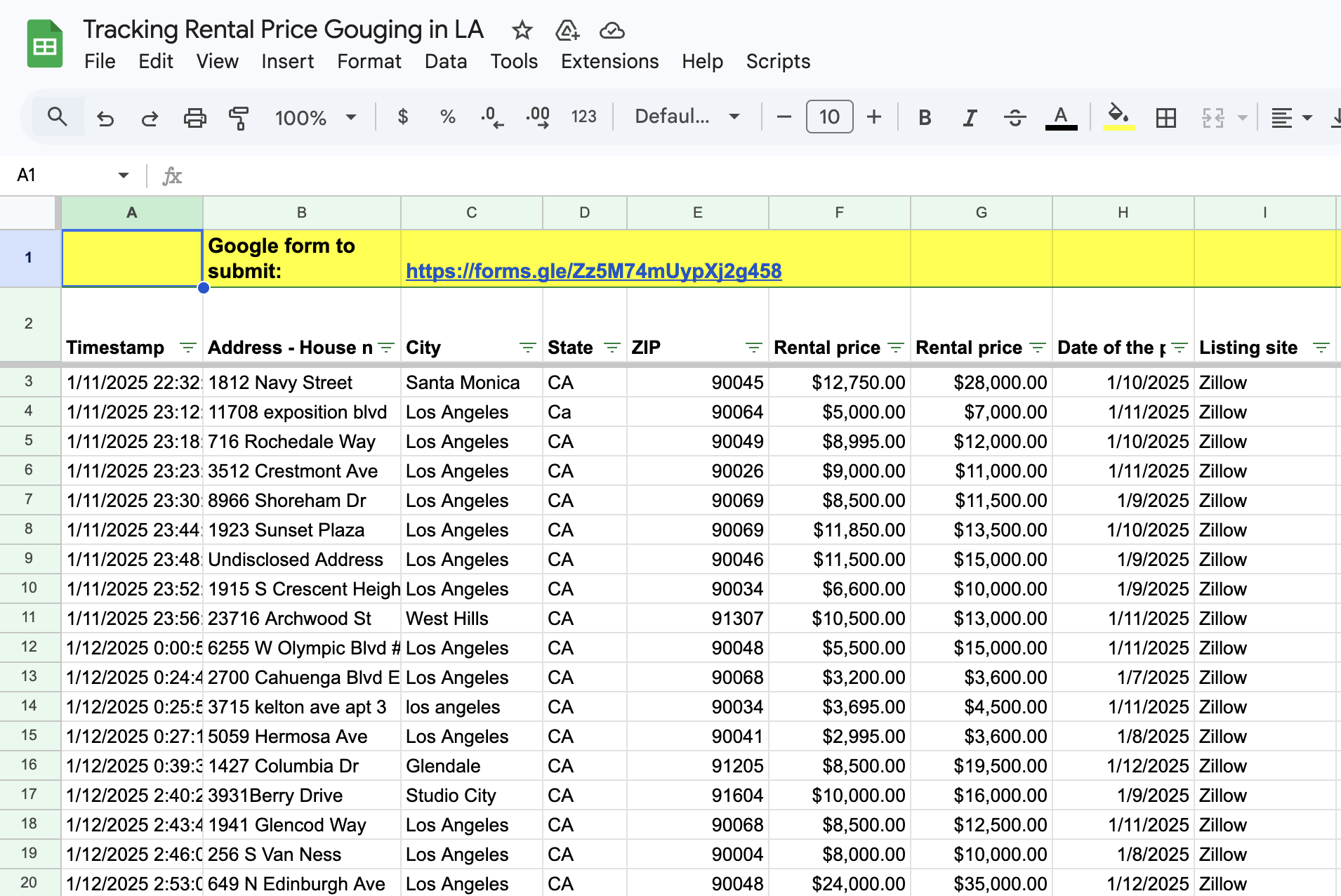
We draw on our collective skills in software development, statistics, GIS, and database management to make landlord practices visible in a housing system that often operates without transparency or accountability. Through our Stop the Rent Gouge campaign, we built tools using Zillow listing data to detect illegal rent increases, including a public dashboard and interactive map tracking gouged listings across Los Angeles County. By making pricing behavior legible at scale, these tools equip tenants and organizers with the information needed to challenge misconduct that might otherwise remain hidden.